

How To Host a Canning Club
This post may contain affiliate links, that if you make purchases through, I will earn a small commission.
Starting a canning club is easier than you think! Get tips on members, supplies, recipes, and how to host a fun canning exchange with your favorite people.

If you’ve been canning solo and wishing someone was there to help, a canning club might be exactly what you’re looking for. It splits up the work, cuts down the cost of supplies, and makes a long afternoon in the kitchen feel like a party instead of a chore. You don’t need a big group or a fancy setup to make it work. Just a few people who love good food and want to learn something together.
How It Started
We have been sharing our love of granny hobbies for years, but this year my friend Chase said “I have an idea, do you wanna do a canning club?” It was the fastest yes I have ever said. Sharing the premise that there would be 10 people canning 50 jars each of a recipe, we would get together and exchange our creations so everyone went home with something new and different.
It was the best decision ever!
Canning Club versus Canning Exchange
If you want to host a canning club meets to make recipes together as a group that is splendid. Some folks love working as a team, and you can rotate houses and recipes so you’re working in a buddy system, and everyone gets a little bit of whatever is made.
Or, there is a canning exchange is when each person makes something at home and you all trade jars at a get-together. Many groups do both. That’s what we did! Some folks were able to get togther to can and we all exchanged at our end of season party!
Here is why a canning club works!
Everything goes so much faster when you split the work. You’re not just on person making 10 different recipes, you’re one person making one recipe, but a lot of it. This is an example of many hands making light(er) work. Because canning 50 jars of anything is a feat in itself, but when you only make one recipe, and everyone else makes something else, there is so much variety you can have in your own pantry after exchange day is done.
You can also make it into a canning party, focusing every day on one person’s recipe, and taking turns. It’s a group project in the best way.
One person handles the fruit prep, one watches the pot, and one processes, and labels the jars. You’re done in half the time and everyone leaves with something to show for it. If you’ve ever made my Small Batch Strawberry Rhubarb Jam, you already know how satisfying it is to pop a finished jar and hand it to someone. Now imagine doing that with a whole group.

How to Start a Canning Club
What Is a Canning Club?
A canning club is a small group of people who get together regularly to make homemade preserved foods. Think jams, jellies, salsas, pasta sauces, and more. Everyone brings something to the table, whether that’s fresh fruit, supplies, or just their enthusiasm. At the end of the session, you divide up the jars and everyone goes home with a variety of homemade goods they didn’t have to make alone.
It’s part cooking class, part social event, and completely worth your time.
Or create a canning exchange!
How Many People Do You Need?
You don’t need a crowd to make this work. A group of three to six people is the sweet spot. Everyone signs up for a recipe, and you can make it entirely on your own, or make it a group project.
Here’s a simple way to think about it:
- 2 to 3 people – Great for small batch recipes, easy to manage, and no one is overwhelmed by more than they can use
- 4 to 6 people – Ideal size, tasks can be split efficiently, bigger variety of recipes
- 7 or more – Start to think of expanding beyond jams and pickles, go to sauces and include experienced canners who can do pressure canning.
If you’re just getting started, invite two or three friends for your first session. You can always grow from there once you figure out your rhythm.
How to Find Your Canning Club Members
You don’t need to post flyers or send formal invitations. Just think about the people in your life who already love food. That friend who always asks what’s in your homemade salsa. The neighbor who grows tomatoes every summer and never knows what to do with all of them. The coworker who brings baked goods to every office event.
A few easy ways to find your people:
- Post in a local Facebook group or neighborhood app
- Ask at a farmers market or community garden
- Put the word out at church, school pickup, or a book club
- Start with just one friend and let word of mouth do the rest
You’ll be surprised how many people are already curious about canning and just waiting for someone to show them how.

How to Structure Your First Meeting
If your group is entirely local, have everyone come over for appetizers and a chat. Here are first five topics we discussed. Or, since our group is spread across the Puget Sound and even into Oregon, we held our chats on Zoom!
Introductions
For those who might know know all your participants, in person or online, get to know everyone! This makes it more fun when you realize you’re all nerds on the inside!
Rules
Figure out if there are any set rules or dietary restrictions in your group. Is someone allergic to something that needs to be avoided?
Canning Safety Expectations
This is the biggest one, everyone must adhere to strong canning safety practices, norms, and rules of health safety. This is not the place for rebel canning, or “how grandma used to do it”. If you love presentations, this is perfect for someone to lead this conversation!
Organic vs Conventional
Some folks have very high expectations on what kind of food is used, so what everyone is comortable with if you are okay using conventional or organic produce. We had a mix for our group. We agreed we would strive for organic, but if conventional was the only one available, it was acceptable to the group.
Types of Canning
Water bath canning and pressure canning are the only two accepted forms of canning in our group. We adhered to all up to date safety and canning standards based on the USDA and CDC websites. Steam canning, or oven canning were NOT allowed.
If new canners are part of this group, have a presentation and present resources to them on what your rules of the road are.
Experience Levels of All Canners
Be sure to check in with your group, and pair new or inexperienced canners with seasoned canners to make sure you are all learning and growing. Growth of knowledge is the goal. Not growth of bacteria.
Start Planning Your Canning Recipe
There are some people that love canning jam, but in a canning exchange you don’t want 50 jars of jam! So start to think about what everyone is most comfortable with. Some people may want to do jam, and pickles, but branch out to jarred salsas, soups, stocks or more depending on what tools you have available and what your group is most comfortable with. What you process may need a pressure canner, instead of a water bath canner.
Meet again as you need to! Whether it’s teaming up for big canning days, or just for fun! And we had a group chat, that went great!

The Canning Exchange – Taking It Up a Notch
Once your group gets comfortable, a canning exchange is a really fun way to mix things up. Instead of everyone making the same recipe together, each member makes one recipe on their own at home and brings jars to trade at the next meeting. Think of it like a cookie exchange, but with jam.
Here is how a simple canning exchange works:
- Each member picks a different recipe to make at home
- Everyone brings enough jars to give one or five to each member of the group
- You meet up, share what you made, swap jars, and taste everything together
- Talk about what worked, what was tricky, and what you want to try next time
It’s a great way to build up a beautiful collection of homemade preserved foods without spending a whole day in the kitchen every single time. And it keeps things exciting because you never know what someone is going to show up with.
Browse through the canning recipes on the blog for ideas to bring to your next exchange. There are plenty of options that work well for all skill levels.
What Supplies Does Your Group Need?
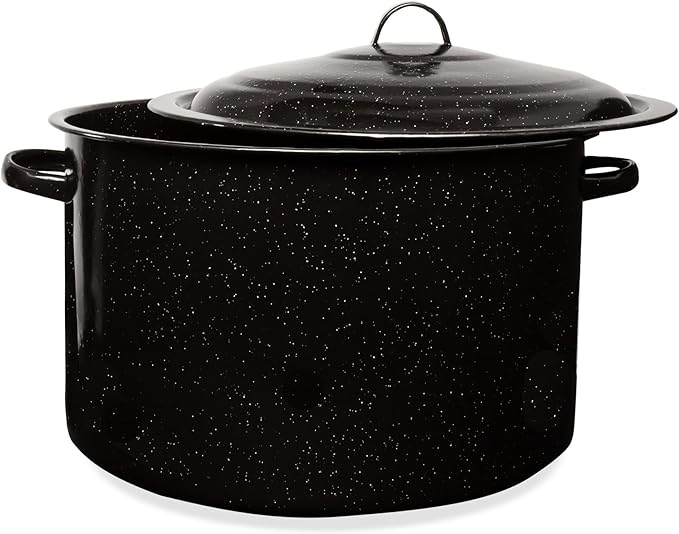
The good news is that canning equipment is affordable and reusable. You don’t all need to own everything. This is actually one of the best parts of having a club – you can pool your supplies.
Below are some of my favorites for canning tools. You can also read more at my Canning Essentials Blog Post
Basic canning tools to have on hand:

Canning – Camp Chef 2 Burner Stove
Buy Now → Buy Now →
 Buy Now →
 Buy Now →
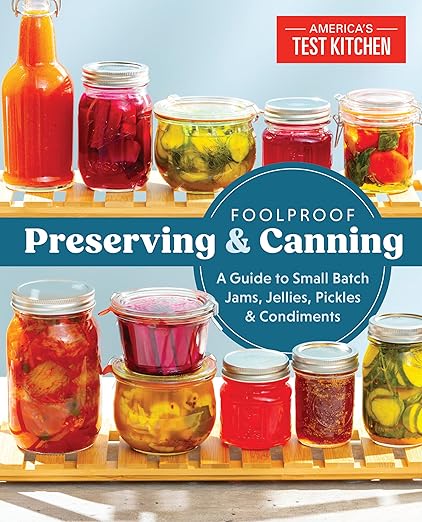
Canning – ATK Foolproof Canning Cookbook
Buy Now → Buy Now →

One person can own the big pot. Someone else can bring the jars. Another person covers the lids and funnel. When you share the supply load, the cost of getting started drops significantly for everyone.
How to Choose Recipes as a Group
This is where things get really fun. Let everyone vote on what they want to make each month if you’re doing a monthly version of a canning club. Keep a running list of ideas and rotate who gets to pick. Here are some crowd-pleasing categories to rotate through:
- Summer fruit jams – strawberry, peach, blueberry, blackberry
- Fall favorites – apple butter, cranberry jam, pear preserves
- Savory options – salsa, pasta sauce, pickled vegetables
- Citrus season – marmalade, lemon curd, orange jelly
Sticking to seasonal produce keeps costs down and the flavors at their best. My Pineapple Apricot Jam is a great one to put on the list when you want something a little tropical and unexpected. The group will love it.
If you are doing a larger exchange – try branching out into some of these more advanced recipe types. Be aware some of these may require pressure canners.
- Pickles – dill, bread and butter, pickled beans
- Stocks – chicken stock, beef stock, canned meats like tuna.
- Soups – Ham and bean soup, tomato soup
- Condiments – mustard
Canning Books I Love – So Many Recipes
Canning – ATK Foolproof Canning Cookbook
Buy Now →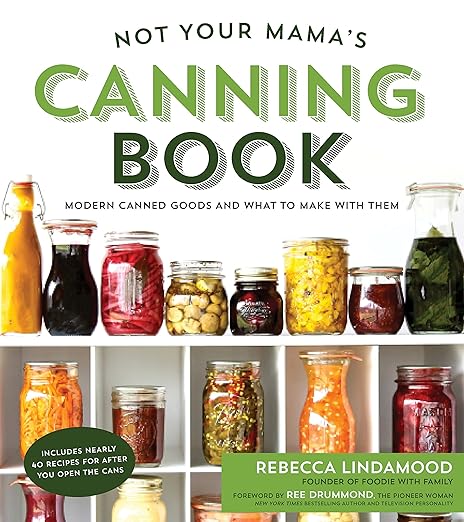
Canning – Not Your Mama’s Canning Book
Buy Now →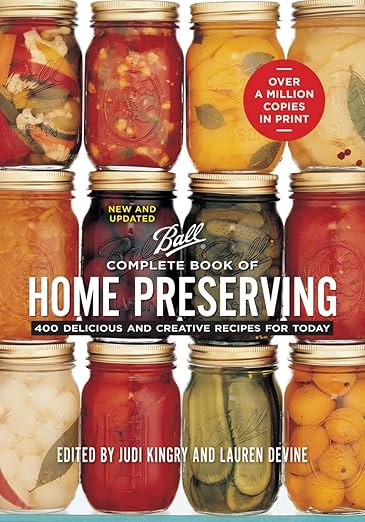
Canning – Ball Complete Book of Home Preserving
Buy Now →
Canning – USDA Complete Guide to Canning
Buy Now →Tips for Keeping Your Club Going
Starting is the easy part. Here’s how to keep the momentum going long-term:
- Set a regular schedule – Once a month works really well. Put it on the calendar and treat it like any other commitment.
- Rotate hosts – Spreading out the hosting duties keeps it from feeling like a burden for one person.
- Keep a club recipe book – Have everyone write down what they made, any tweaks they did, and a rating. It becomes a really special keepsake over time.
- Celebrate your wins – When someone nails a new recipe or tries something challenging, cheer them on. That’s what the club is for.
- Don’t overcomplicate it – Some of the best sessions are the simplest ones. A good jam recipe, good company, and good conversation is all you really need.
Canning Club Exchange Checklist
If you need a handy printable, download my quick start guide for starting your own canning club PDF!!
FAQs
Do you need experience to join a canning club? Not at all. In fact, beginner-friendly clubs are often the most fun because everyone is learning together. Choose simple recipes to start, like a basic fruit jam, and work your way up from there. Cranberry or strawberry jam are both great starting points.
How much does it cost to run a canning club session? When you split supplies among a group of four to six people, you’re typically looking at just a few dollars each per session. Fresh fruit is usually the biggest cost, and buying it in bulk or at a farmers market helps a lot.
What is the difference between a canning club and a canning exchange? A canning club meets to make recipes together as a group. A canning exchange is when each person makes something at home and you all trade jars at a get-together. Many groups do both.
What if someone doesn’t have canning equipment? That’s totally fine. Equipment can be shared among the group. One person brings the canner, another brings jars, and so on. Over time, members may want to invest in their own tools as they get more into it.
Is water bath canning safe for beginners? Yes! Water bath canning is the most beginner-friendly method and is used for high-acid foods like jams, jellies, pickles, and fruit preserves. Just follow tested recipes and you’ll be in great shape. If you’re new to it, my Grapefruit Marmalade walks you through the whole water bath process in a really approachable way.
What are the best recipes to start with as a group? Fruit jams are always the best place to start. They are forgiving, quick to make, and everyone loves them. Strawberry, peach, and blueberry are all great beginner picks.
More Canning and Homemade Gift Ideas You’ll Love
- Small Batch Strawberry Rhubarb Jam
- Italian Plum Walnut Compote
- Pineapple Apricot Jam
- Grapefruit Marmalade
As always be sure to follow the most up to date canning practices and models, to ensure the risk of food borne illness is reduced. Check UDSA and CDC guidelines and only used tried and true tested recipes. I am not liable for any participation, or information that may change from when I share this guide to current standards. Be clean, be concise, and plan for use of best practices.
